Nutrition Planning for Busy Schedules
Learn practical strategies for organizing meals and making balanced food choices when time is limited.
Request a Consultation Learn More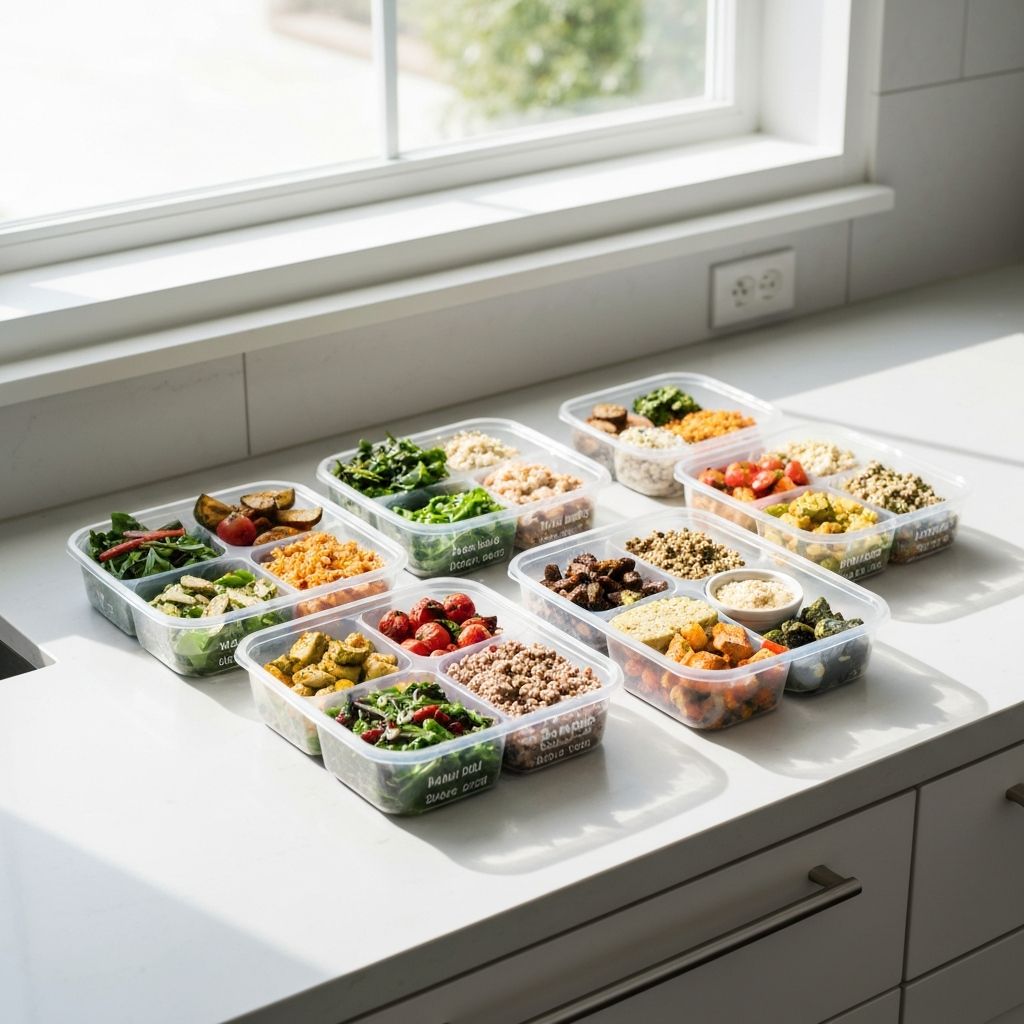
Learn practical strategies for organizing meals and making balanced food choices when time is limited.
Request a Consultation Learn More
Understanding how to maintain regular eating patterns even with a packed schedule helps support your daily energy needs.
Learning to organize your food choices in advance can reduce daily stress and decision fatigue.
Simple, realistic approaches that fit into your actual lifestyle rather than requiring major schedule changes.

Dedicate a short time each week to outline your meals and create a shopping list.
Choose recipes with fewer ingredients and shorter preparation times.
Cook larger portions to have ready-made meals for multiple days.
Have backup choices for days when plans change unexpectedly.
When time is limited, certain food combinations can provide a balance of nutrients without extensive preparation:
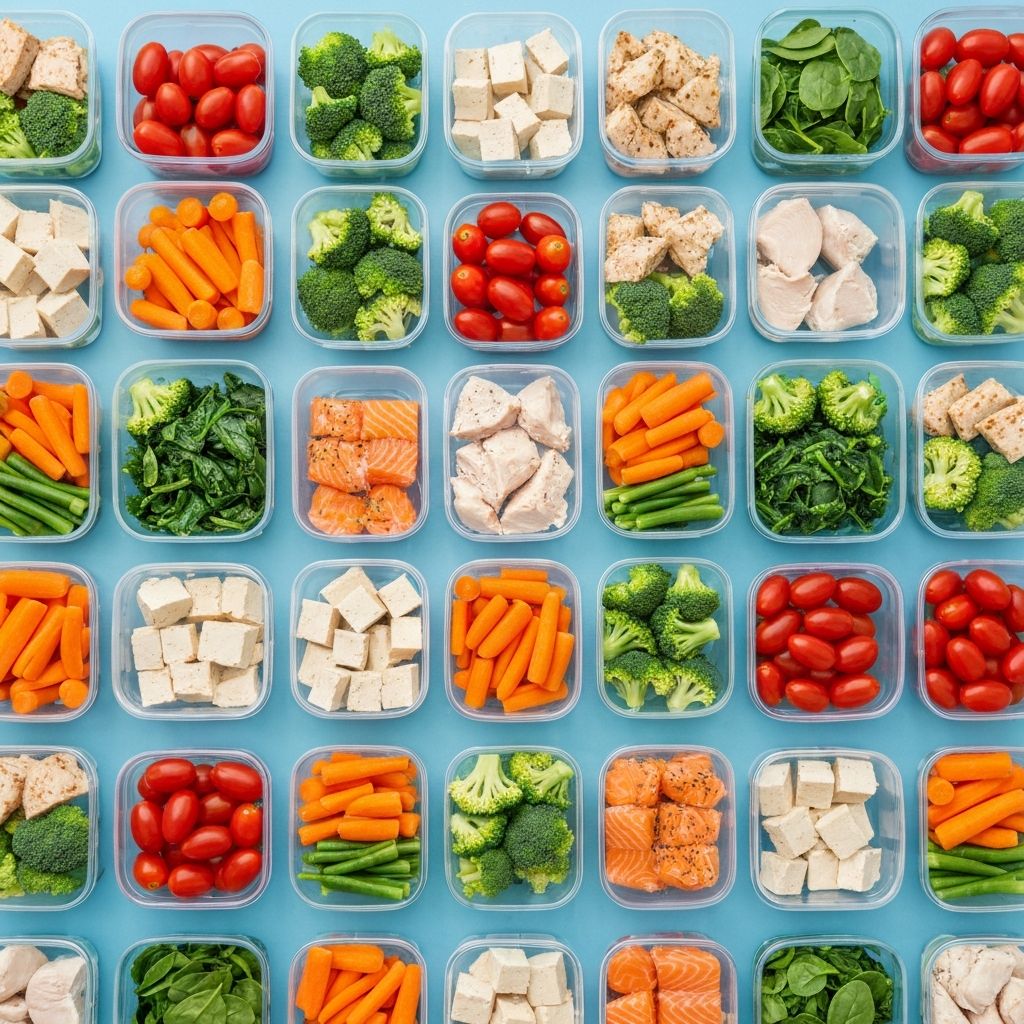
Set aside 1-2 hours on weekends to prepare components that can be mixed and matched throughout the week. Cook grains, chop vegetables, and portion proteins to save time on busy weekdays.
Use clear containers to organize prepared foods. Label items with dates and contents. Keep frequently used items at eye level in your refrigerator for easy access.
Create a standard shopping list based on your regular meals. Shop once or twice per week to reduce time spent on errands. Consider online grocery delivery when possible.
Keep your kitchen organized with essentials easily accessible. Invest in time-saving tools like a rice cooker or slow cooker. Prepare ingredients in bulk when cooking.
Working adults with demanding schedules who need practical strategies for consistent nutrition.
Individuals balancing family responsibilities and seeking efficient ways to organize family meals.
Those managing academic demands who need guidance on simple and affordable meal planning.
People who frequently travel for work and need strategies for maintaining eating routines on the go.
Individuals with irregular schedules seeking guidance on organizing meals around changing work hours.
Anyone new to meal planning who wants to learn the basics of nutrition organization.
"The meal planning strategies helped me organize my week better. I now have a clearer approach to grocery shopping and food preparation."
"Learning about batch cooking and simple meal combinations made my busy schedule much more manageable. The educational approach was very practical."
"The consultation provided helpful information about organizing nutrition around my travel schedule. I appreciate the realistic and educational focus."
Most people find that 1-2 hours per week is sufficient for basic meal planning and preparation. This time investment often saves much more time during busy weekdays.
The consultation focuses on simple, practical approaches that don't require advanced cooking knowledge. We emphasize easy-to-prepare options and basic techniques.
We discuss strategies like creating standard shopping lists, shopping during less busy times, using online delivery services, and buying versatile ingredients that work for multiple meals.
The consultation includes guidance on making balanced choices when eating out and strategies for maintaining your nutrition plan even when preparing food at home isn't possible.
Yes, we cover portable food options, strategies for maintaining routines while traveling, and how to plan ahead for trips.
This is purely educational and focused on practical organization strategies. It's designed for people with limited time who need realistic, implementable approaches rather than complex plans.
Get guidance on organizing nutrition for your busy lifestyle.
Request a Consultation